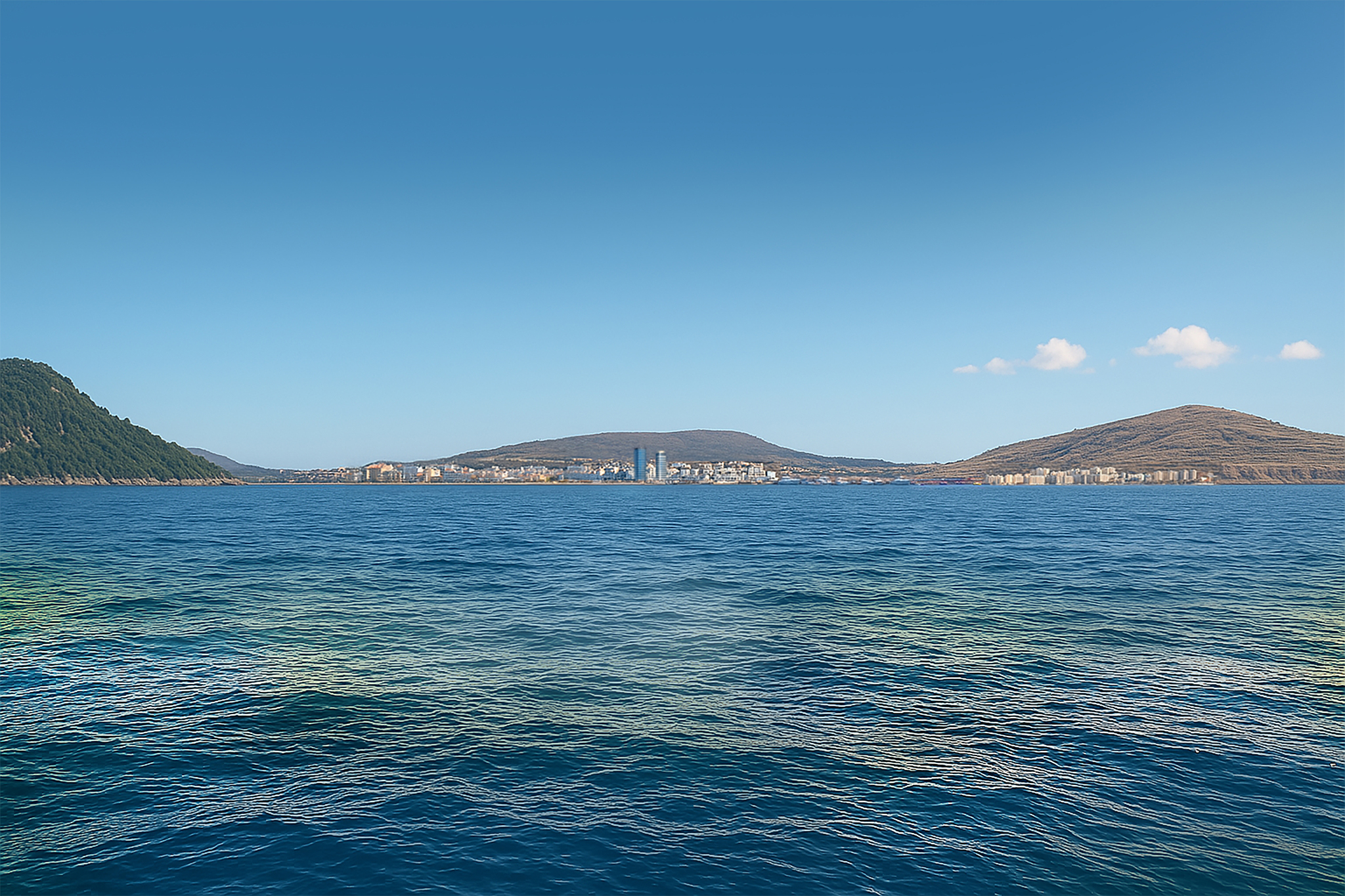
An independent republic of islands and people, shaped by the ocean, history and resilience.
Celterra is a sovereign island republic in the Atlantic, a country whose identity has been formed by the meeting of two enduring cultural traditions: the disciplined civic heritage of the Roman world and the older island traditions of the Yenqua people. Its history is one of settlement, adaptation, conflict, cooperation and ultimately the creation of a distinct Celterran identity.
At the heart of the republic stands Ara Neptuni, the capital and political centre of the nation. From its ports and cities to its rural communities and smaller islands, Celterra is a country where geography has always mattered. The sea is not simply a boundary around the nation; it is a source of food, trade, transportation and identity.
Celterra's political system reflects its unusual cultural foundation. The Republic combines institutions inspired by the Roman tradition with elements rooted in Yenquan communal society. Government is centred on a two-sided civic representation, bringing together the Roman and Yenquan traditions within the institutions of the Republic, alongside a Senate responsible for national deliberation and legislation. The result is a political system built around balance, civic responsibility and the idea that no single tradition should completely dominate the nation.
The same principle extends into Celterra's society and economy. The country has developed as a maritime trading nation, making use of its strategic Atlantic position while maintaining strong domestic industries, agriculture, fishing, manufacturing and services. Its economy is modern and outward-looking, but its development is tempered by an enduring emphasis on self-reliance, public responsibility and the preservation of the country's natural and cultural heritage.
Education is regarded as one of the foundations of the Republic. From early childhood through secondary education and university, the Celterran system combines practical knowledge, academic study, civic education and cultural inheritance. Roman intellectual traditions sit alongside the oral knowledge and communal learning of the Yenqua, creating an educational culture that values both scholarship and lived experience.
Celterra is therefore more than a collection of islands or a political state. It is a society built around the meeting of cultures and the continual negotiation between tradition and modernity. Its institutions, language, cities, economy and education system all reflect that history.
Explore Celterra — its origins, people, geography, government, economy, culture and education — and discover how an island civilisation became a republic with an identity uniquely its own.